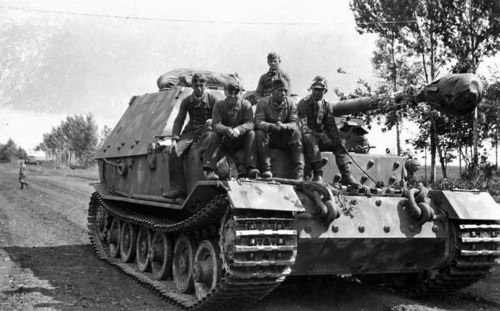
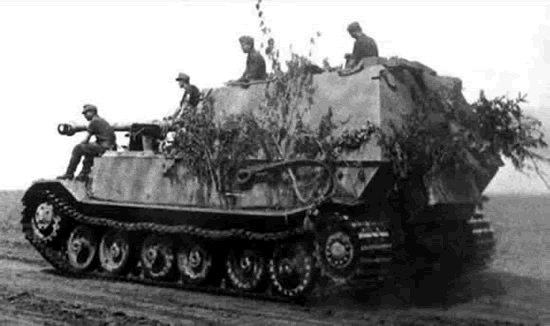
The Elefant was heavy tank destroyer first built in 1943 under the name Ferdinand, after its designer Ferdinand Porsche. In 1944, after significant modification of the existing vehicles, they were renamed Elefant. The official German designation was Panzerjäger Tiger (P) and the ordnance inventory designation was Sd. Kfz.184.
Ferdinands first saw combat in the Battle of Kursk, where eighty-nine of the original 91 units were committed. One account tells of a Ferdinand knocking out a Soviet T-34 at a range of over 3 miles with its 88mm Pak43/2 L/71, it was a devastating opponent against the Allies. Although effective at destroying Soviet tanks, they performed quite poorly in other respects. In its original configuration, the Ferdinand lacked a machine gun as secondary armament, making it vulnerable to attack by infantry. Many were from lost from mine damage and mechanical failure.
48 of the 50 surviving vehicles from Kursk were modified by addition of a ball-mounted MG 34 in the hull front, a commander's cupola (modified from the standard StuG III cupola) for improved vision, and the application of Zimmerit. Vehicle weight increased from 65 to 70 tons. On May 1, 1944, Hitler's ordered these improved vehicles officially renamed Elefant,
In 1944 the Elefants served on the Italian front but were rendered rather ineffective, as their weight of nearly 70 tons did not allow them to use most Italian roads and bridges. Due to a permanent lack of spare parts most of the units were not lost in combat, but abandoned and scuttled by their own crews. One company of Elefants saw action in Poland in January of 1945, and the very last surviving vehicles were used in combat at Zossen during the Battle of Berlin.
The Ferdinand/Elefant may have been the most successful tank destroyer employed by the Germans during the war in kills per loss, a ratio of approximately 10:1. During the Battle of Kursk, the 653rd Heavy Tank Destroyer Battalion claimed to have knocked out 320 enemy tanks, for the loss of 13 Ferdinands. This impressive average ratio was due to its extreme firepower and protection, which gave it an enormous advantage when used in head-on combat or a static defensive role. However, poor mobility and mechanical unreliability greatly diminished its operational capability.
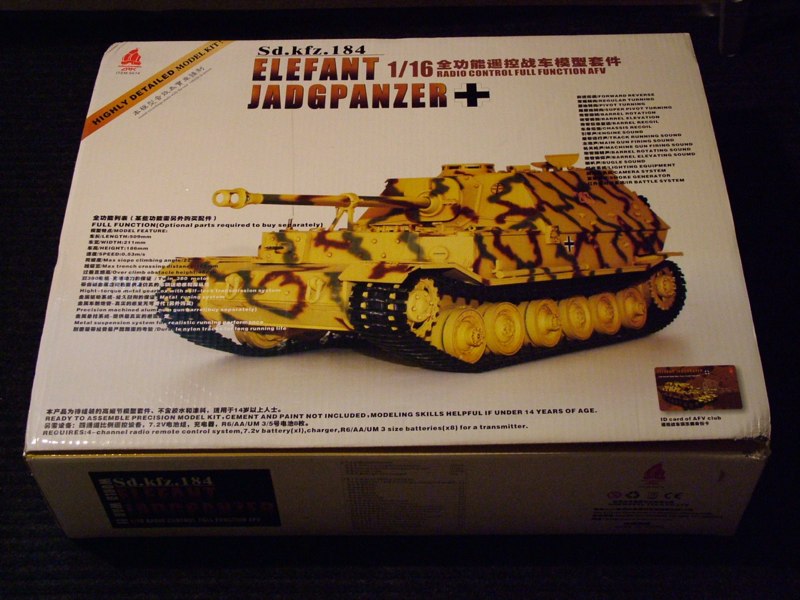
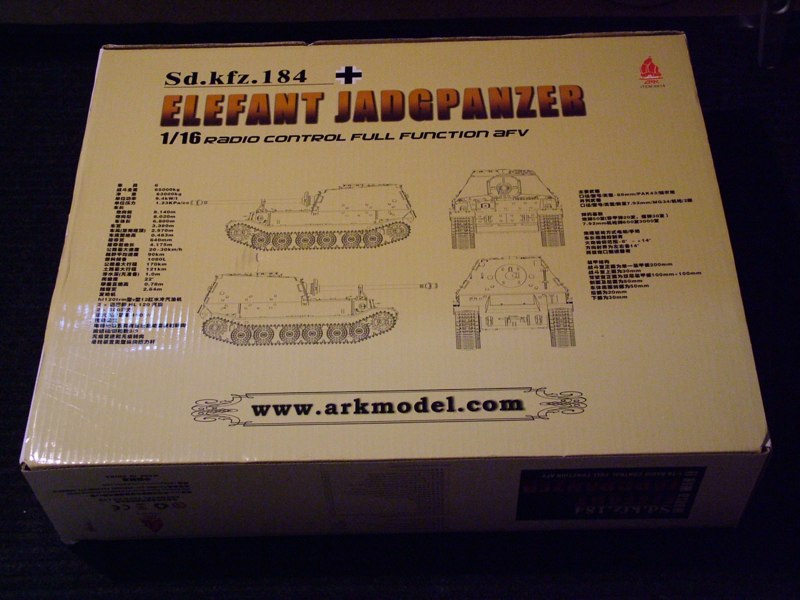
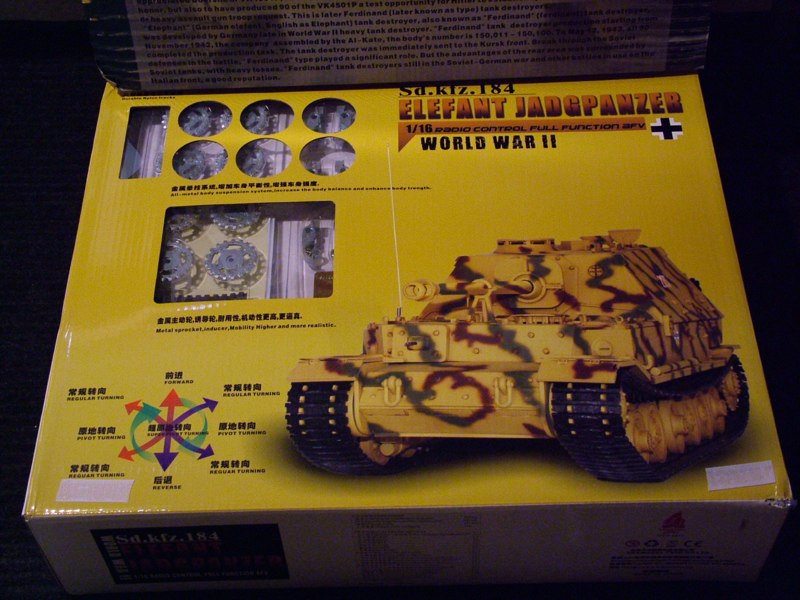
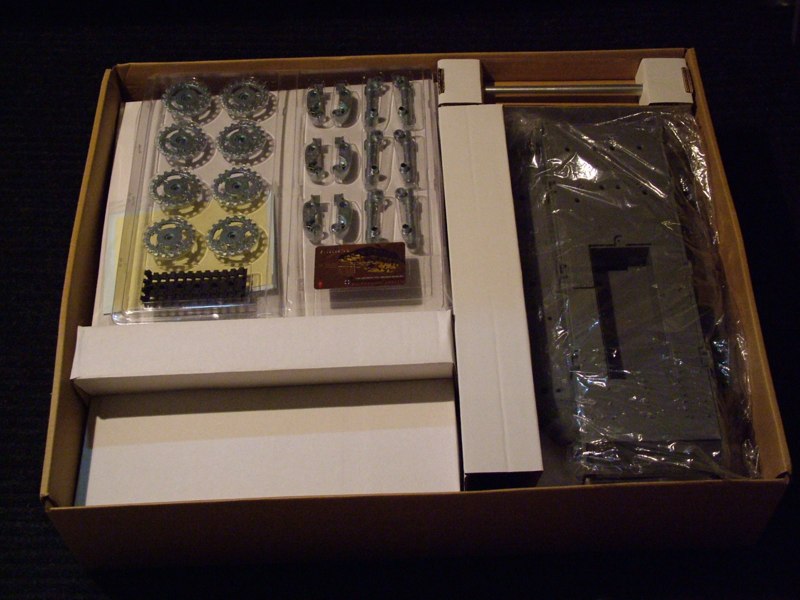
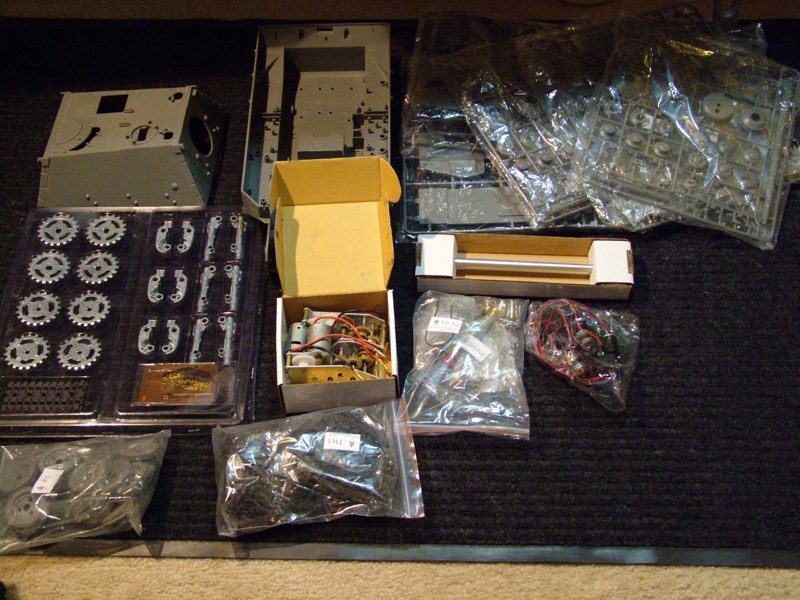
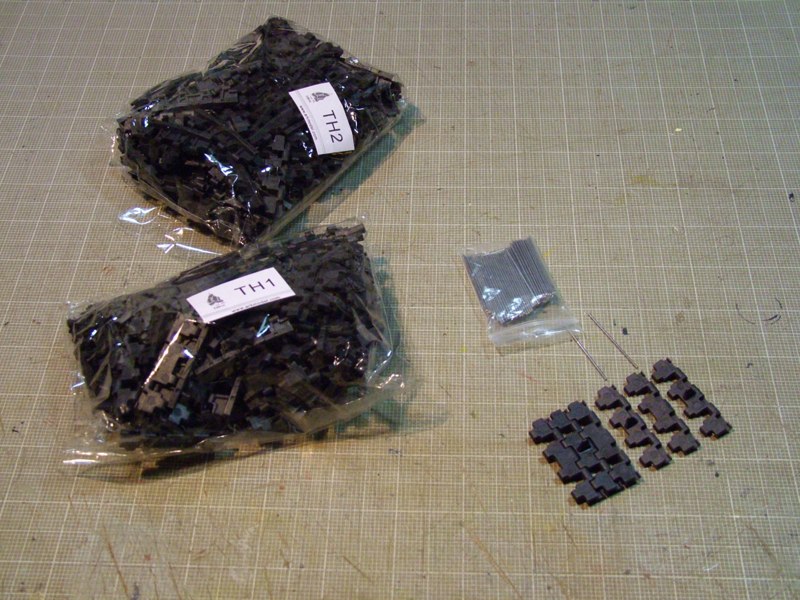
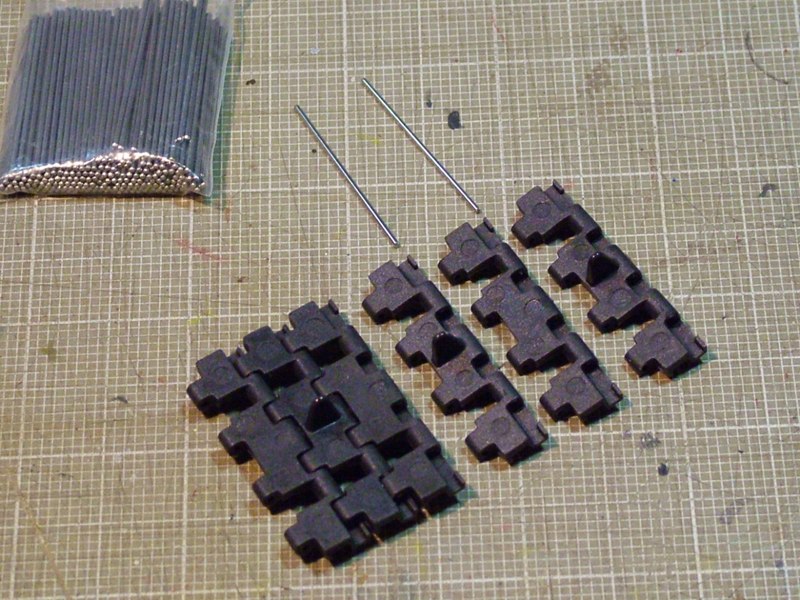
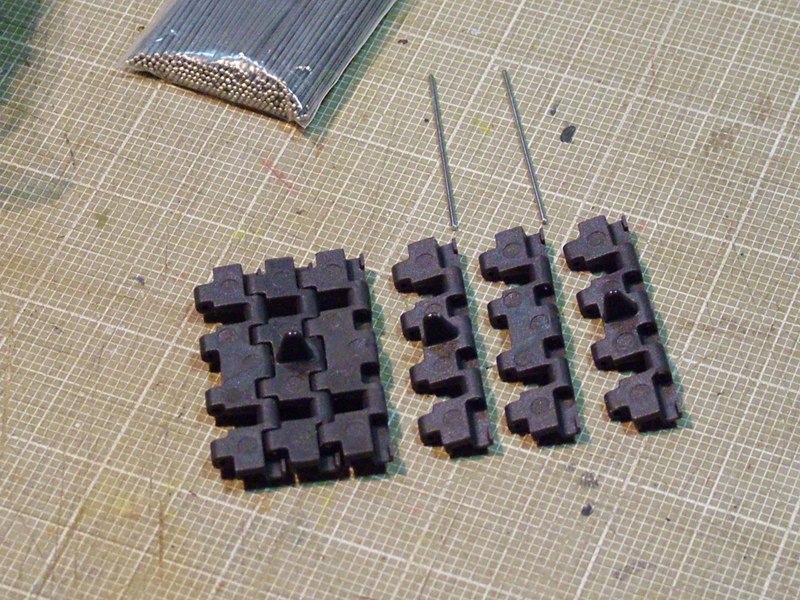
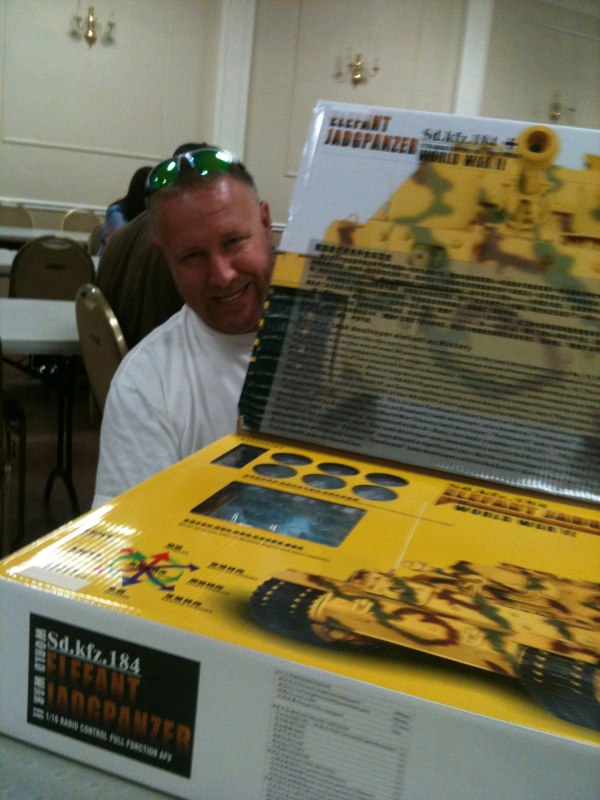
Big gun and good armor protection should have made this vehicle un stoppable.Mechanical issues, no secondary armament, and a lack of spare parts made these vehicles vulnerable up close and in mobile combat.The Hooben Elefant arrives! Packaged in the familar Tamiya style "flip top" box with intergrated pastic suitcase carrying handle.The back of the box has some very nice 4-view drawings of the Elefant and it looks like Hooben provides just about every specfication you could ask for, now if I only spoke Mandarin that might be useful.Mimicking Tamiya the front box flap is hinged at the top and is held closed with velcro retainers along the bottom. Flip open the flap and you're greated with another photo of the completed model (including a cheesy camo scheme) and a cellephane window that grants you a peak at some of the metal goodies that wait you inside.Crack open the box and you get an eye full of RC candy. Lots of metal and plastic sprues. All is neatly and tightly packaged in a well thought out and layed out box design. I found no apparent damage upon initial inspectionThe plastic is molded in a light grey plastic that is on the soft side (not brittle) with crisply molded detail and little to no flash. The metal looks pretty good as well with only minimal clean up required to remove minor mold lines. Looks like the real challenge will be sorting out all the bits and peices as Hooben decided against marking each bag of goodies. You get medium sized bags with a lable that has parts 10-21 marked on it, for example, and then 11 individual small bags inside that (some marked and some are not). Gear boxes look pretty stout but do include some plastic gearsI bought my kit from Bob at ETO armor and it's marked as the 115 production kit. No instructions were included, so Bob was tasked with sending them in about 8 e-mails with PDF attachments. The instructions are well layed out with nice exploded views. Hooben has you start with the gun, mantlet and all the mechanicals to add traverse and elevation, but I decided to tackle a bigger job that I was already dreading.Unlike Tamiya, Hooben has decided that it would be best if the builder assembled their own tracks, so you get 2 baggies full of track links, one baggy contains all the track links with guide horns and the other contains spacer links without guide horns. Each side requires 55 of each track type and is held together with a metal pin. Just in case your counting, and maybe not to quick with math, that's 440 parts that make up both sets of track.The track links are molded in hard black plastic, have great detail, but do show some injector pin marks on the inside surface of each link. The one nice thing is that unlike the Tamiya King Tiger track, the metal pins are fully captured as they pass through each section of the link, meaning they appear to be better engineered and should prove to be stronger. Looks like Hooben has done their homework. The track went together relatively easily and without a hitch, took about 90 minutes to assemble both sides.Look at that grin. Craig Shows off his purchase at the local IPMS show.